
coated glass uses
How to Change a Main Water Valve Changing a main water valve may seem like a daunting task, but with the right tools and instructions, it can be accomplished by a homeowner with basic plumbing knowledge. The main water valve is essential for controlling the water supply to your entire house, making it crucial to ensure it is functioning properly. Here’s a step-by-step guide on how to change your main water valve safely and effectively. Tools and Materials Needed Before starting the process, ensure you have the following tools and materials 1. Pipe Wrench For loosening and tightening connections. 2. Adjustable Wrench Useful for securing fittings. 3. Screwdrivers Both flathead and Phillips for any screws present. 4. Teflon Tape For sealing threaded connections. 5. Basin Wrench If the valve is in a tight location. 6. Replacement Valve Ensure you have the correct size and type based on your current valve. 7. Bucket To catch any residual water when you remove the old valve. 8. Safety Goggles and Gloves For protection during the process. Step 1 Locate the Main Water Valve The first step is to locate your main water valve. It is typically found near where the water line enters your home, often in the basement, crawl space, or on an exterior wall. The valve may look like a round wheel or a lever. Familiarizing yourself with its location is important, as you will need to turn it off before replacing it. Step 2 Turn Off the Water Supply Once you’ve found the valve, turn it off by rotating it clockwise. If it’s a lever valve, simply turn the lever perpendicular to the piping. This action will stop the flow of water into your home. To verify that the water is off, turn on a faucet in the house and ensure that there is no water flow. Step 3 Drain the Pipes After shutting off the main water valve, it’s necessary to drain any remaining water from the pipes. Open the lowest faucet in your home to allow air into the system, which will help drain the remaining water out. Placing a bucket underneath the valve can help catch any water that spills during the removal process. how to change main water valve Step 4 Remove the Old Valve Using the pipe wrench, begin loosening the nuts that secure the main water valve to the pipes. If the valve is rusty or stuck, you may need to apply penetrating oil and allow it to sit for a while before attempting to loosen it again. Be careful to hold the pipe securely to avoid damaging it. Once the nuts are loosened, remove the old valve completely. Step 5 Install the New Valve Before installing the new valve, wrap the threaded ends of the pipe with Teflon tape. This will help create a watertight seal and prevent leaks. Next, position the new valve in place and hand-tighten the nuts to secure it. After ensuring it's correctly aligned, use the adjustable wrench to further tighten the connection. Be cautious not to overtighten, as this can damage the valve or pipes. Step 6 Turn the Water Supply Back On Once the new valve is securely in place, return to the main water valve and turn it back on by rotating it counterclockwise or moving the lever back to its original position. After turning it on, check for leaks around the new valve and the connections. If you notice any leaking, you may need to tighten the connections slightly. Step 7 Test the System With the new valve installed and no leaks detected, test the system by turning on several faucets throughout your home. This will help you ensure that the water is flowing correctly and that there are no air pockets. If the water pressure is inconsistent or if you note any issues, you may need to further troubleshoot your plumbing system. Conclusion Changing a main water valve can be a straightforward task if you approach it methodically and with the right tools. Regular maintenance of your plumbing system, including the main water valve, can prevent significant issues down the line. If at any point you feel unsure or encounter difficulties, consider consulting a professional plumber to ensure the work is completed safely and effectively. Remember, taking proactive steps can save you time and money in the long run.
about
coated glass uses
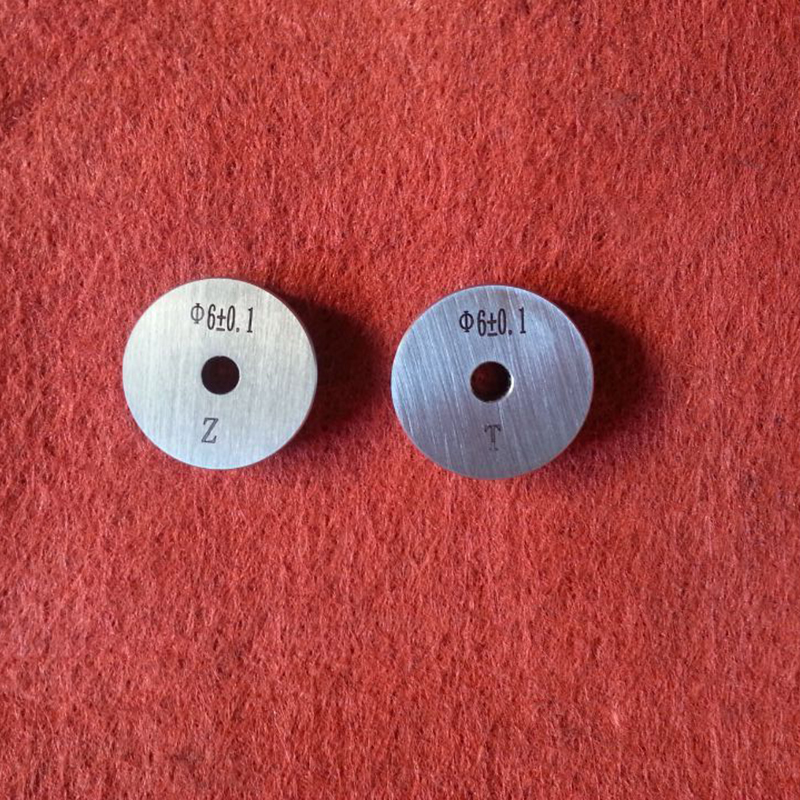
The Importance of Standard Plug Gauges in Quality Control In the realm of manufacturing and quality control, ensuring the precision and accuracy of components is paramount. Among the various tools used for measurement, standard plug gauges play a critical role. These simple yet effective instruments are essential for verifying the dimensions of holes and ensuring that they meet specified tolerances. This article will explore the significance, applications, and types of standard plug gauges in industrial settings. Standard plug gauges are primarily designed to check the diameter of holes, ensuring that they fall within specified limits. They are usually made of high-quality materials like steel or carbide, providing durability and resistance to wear. The design of a plug gauge features a cylindrical shape that is inserted into the hole being measured. The gauge is classified into two main types the Go gauge and the No-Go gauge. The Go gauge is meant to fit into the hole without resistance, indicating that the hole is within the acceptable tolerance. On the other hand, the No-Go gauge should not fit into the hole; if it does, it implies that the hole is too large and out of specification. One of the key benefits of standard plug gauges is their simplicity and reliability. Unlike more complex measuring instruments, plug gauges provide immediate feedback about whether a hole meets its dimensional requirements. This immediacy can streamline the inspection process in manufacturing environments where time efficiency is critical. Furthermore, because plug gauges are standardized, they can be used universally across different production lines and industries, promoting consistency in quality control measures. standard plug gauge The applicability of standard plug gauges extends to various industries, including automotive, aerospace, and electronics . In the automotive industry, for instance, precise hole dimensions are crucial for the assembly of engine components. Even the slightest deviation from the specified size can lead to catastrophic failures or performance issues. Similarly, in the aerospace sector, where safety is non-negotiable, plug gauges help ensure that every component functions correctly within tight tolerances. In addition to their role in manufacturing, standard plug gauges are also instrumental during the design phase of new products. Engineers often utilize these gauges to prototype and test components, ensuring that they can be produced accurately before mass production begins. This proactive approach saves companies time and resources by identifying potential issues early in the product development cycle. Moreover, the maintenance of standard plug gauges is essential for ensuring their accuracy over time. Regular calibration and verification procedures help maintain confidence in the measurements taken, preserving the integrity of the quality control process. Organizations often develop detailed schedules for maintaining these instruments, ensuring compliance with industry standards and regulations. In conclusion, standard plug gauges are indispensable tools in the manufacturing process, playing a vital role in maintaining quality and precision. Their straightforward design, combined with their critical function in quality control, underscores their importance across various industries. By utilizing standard plug gauges effectively, manufacturers can enhance their production processes, reduce errors, and ultimately deliver superior products to market. As industries continue to advance, the role of such measuring instruments will remain crucial in the pursuit of excellence.
-

High quality industrial productsagement

High quality industrial products
View Details -

Meet the diverse needs of customers

Meet the diverse needs of customers
View Details -

Strict quality control

Strict quality control
View Details -

Top raw materials

Top raw materials
View Details -

Trusted supplier

Trusted supplier
View Details
Our application

news and information
valve ng liquid transfer check
Liquid Transfer Check Valve Isang Mahalagang Komponent sa Fluid Handling Systems Sa mundo ng industr

Various Categories of Gate Valves and Their Applications
Different Types of Gate Valves Gate valves are a type of valve that opens by lifting a gate out of t
Wholesale Options for High-Quality Ball Valves in Various Sizes and Materials
The Growing Market for Ball Valve Wholesale Trends and Insights In the world of plumbing and industr
 English